
Apple has operated in Mainland China for nearly two decades, tailoring its products, services, and digital strategy to one of the world’s largest and most unique digital ecosystems. Its China-facing website, localised marketing campaigns, and investments in platform partnerships all support its efforts to connect with Chinese consumers.
China is a strategically vital market (historically among Apple’s top revenue contributors). Still, Apple also faces rising competition from powerful local brands and a distinct digital environment influenced by local platforms.
🚀 Strengths: What Apple Does Well
1. Localised Digital Experiences
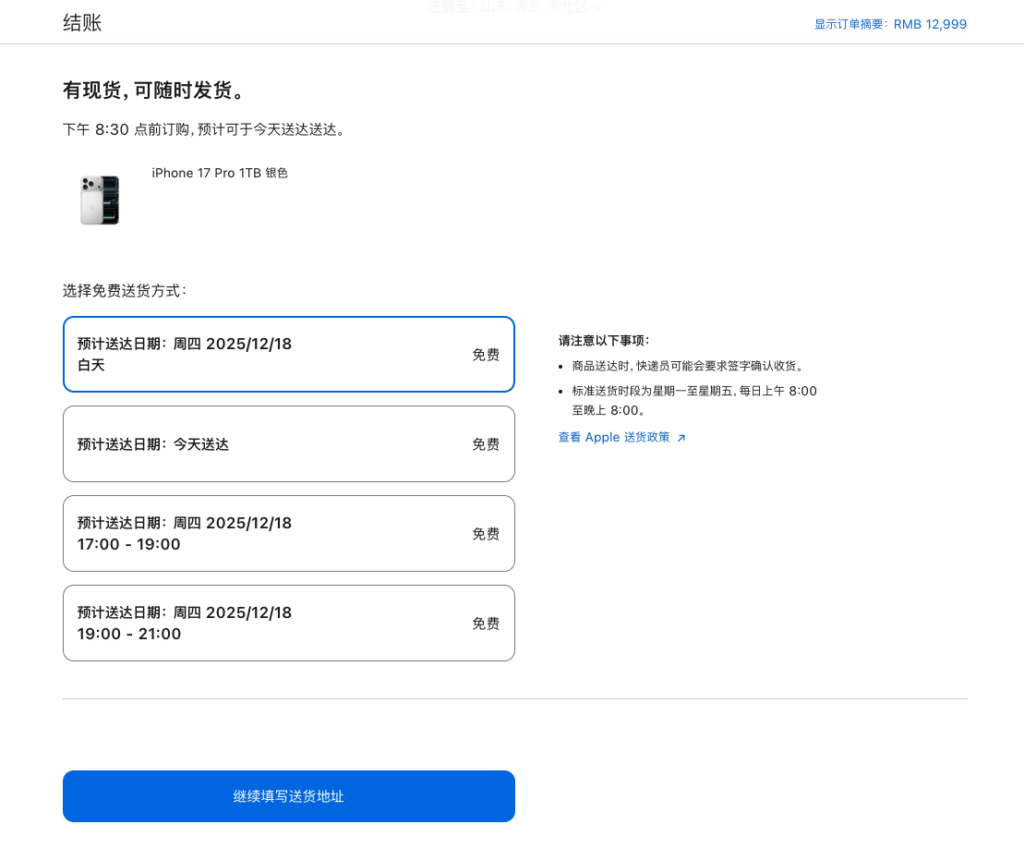
Apple’s Chinese website is fully localised — not just in language but in content, design, and offerings — highlighting region-specific promotions (e.g., three‑hour delivery options, local payment methods, China‑relevant product pages).
– China Specific Delivery Options
Thanks to Apple’s extensive retail network and fast delivery infrastructure in China, the Apple China website offers more delivery options, including same-day delivery and the ability for customers to choose a precise delivery time (down to the hour).
– Local Payment Options
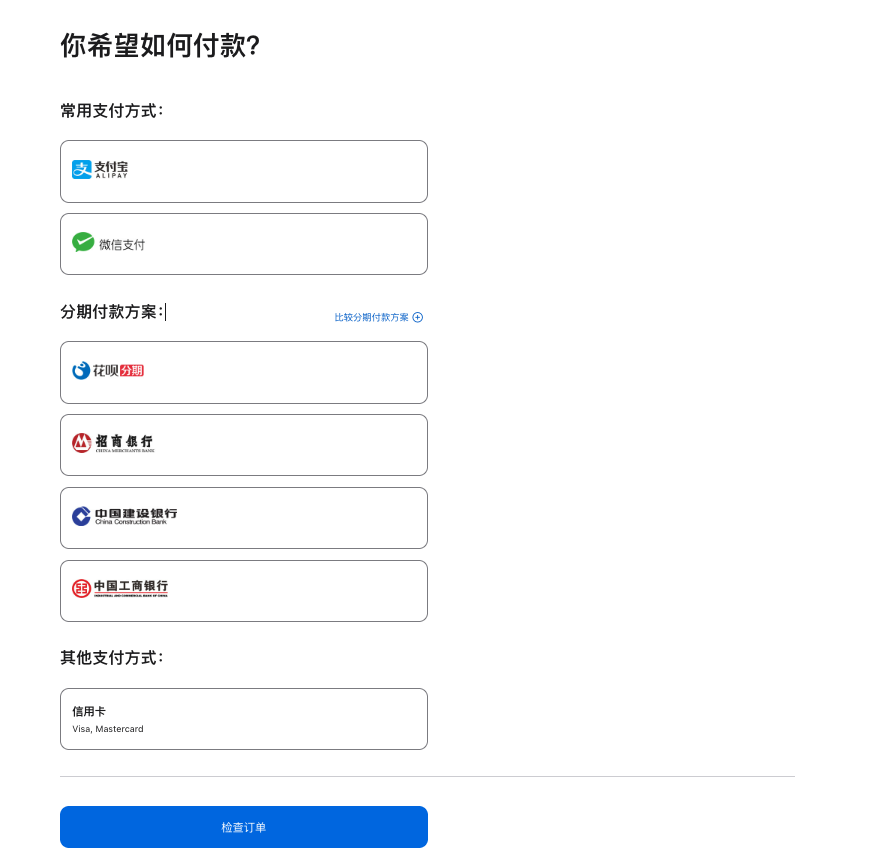
Apple China integrates deeply with local payment ecosystems, which is critical for conversion in the Chinese market. In addition to international credit cards, the website supports widely adopted local payment methods such as Alipay and WeChat Pay, which are the default choices for most Chinese consumers. These options enable fast, one-click payments and seamless checkout experiences, particularly on mobile devices.
Apple also supports instalment payments through local financial partners, allowing customers to pay in monthly instalments directly via Alipay or bank-issued plans—an important feature for high-value products like iPhones and MacBooks. By aligning with trusted local payment providers and familiar user flows, Apple reduces purchase friction, increases trust, and significantly improves conversion rates compared to a Western-only payment setup.
2. High-Quality Translation and Localisation
Apple does an excellent job translating its global content into Chinese while keeping it culturally relevant and maintaining brand tone. For example:
English: Think Different
Chinese: 非同凡想
- Not a literal translation
- Uses elegant, slightly classical Chinese structure
- Memorable, poetic, and premium
- Still aligns perfectly with Apple’s brand philosophy
3. Multichannel Digital Presence Beyond the Website
Apple in China extends its digital footprint through official accounts and campaigns on platforms embraced by Chinese users — including WeChat, Weibo, Douyin, and local e‑commerce marketplaces like Tmall and JD.com.
- WeChat public accounts and mini‑programs allow product browsing, customer interaction, and service support without leaving the platform.
- KOL (Key Opinion Leader) and influencer collaborations amplify campaigns on short‑video platforms, aligning Apple products with lifestyle trends in China.
❌ Weaknesses & Challenges
1. AI Features Have Been Delayed Locally
Apple’s advanced AI features (branded Apple Intelligence) faced delays in China because its global AI partners, like OpenAI, cannot operate there. Apple ultimately partnered with Alibaba to bring AI capabilities to iPhones in China — but this situation highlights the complexity of tailoring cutting-edge tech for the local market.
2. Cultural and Ecosystem Limitations
Apple’s relative absence (or limited activity) on certain Chinese social platforms and content formats — compared with local brands aggressively leveraging the native features of Douyin, Little Red Book, or Bilibili — can reduce organic visibility among key youth and trendsetting demographics.
At the same time, Apple is clearly trying to maintain its global brand image and avoid fully localising for one market, which makes sense for brand consistency across the globe.
Conclusion
Apple’s digital strategy in China is sophisticated, leveraging localisation, platform partnerships, and high-quality translation to connect with consumers. However, delays in AI rollout and limited engagement on some local platforms highlight the challenges of balancing global brand consistency with local relevance. Success in China requires navigating this balance carefully while continuing to invest in culturally resonant digital experiences.